Source Elevator Door Wheels for Public Traffic, Hotels, and Offices
Find 30 listings for elevator door wheels from Chinese manufacturers. Compare specifications like drive mode, material, and capacity to identify suitable options for public traffic, hotels, and office buildings.
Key considerations
Products List


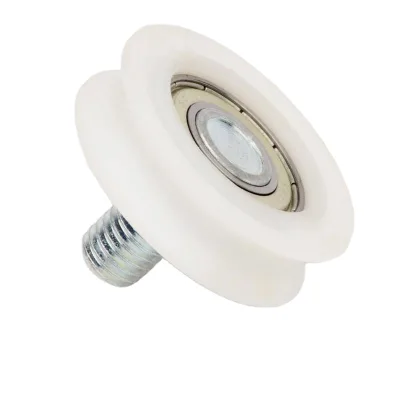


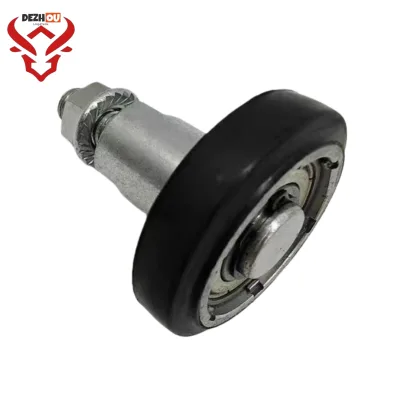
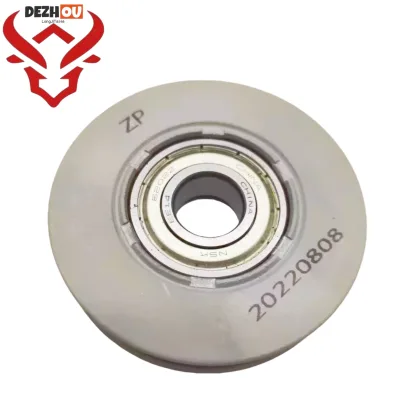
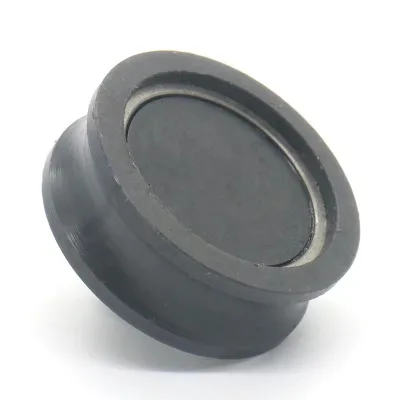


Comprehensive Sourcing Guide
Strategic Sourcing Guide for Elevator Door Wheels
The global elevator industry relies heavily on the precision and durability of its mechanical components, with door wheels serving as a critical interface between the safety of passengers and the operational efficiency of the lift. For procurement professionals, sourcing elevator door wheels requires a nuanced understanding of technical specifications, material integrity, and supply chain reliability. The market offers a diverse array of products, ranging from simple eccentric wheels to complex concentric systems designed for specific elevator models. This guide provides a structured approach to navigating the procurement landscape, ensuring that buyers select components that meet rigorous safety standards and operational demands without relying on unverified claims.
Technical Specifications and Mechanical Design
When evaluating elevator door wheels, the primary focus must be on the mechanical design and the specific application requirements of the target elevator system. The observed market data indicates a variety of drive modes, including AC and Hydraulic systems, which dictate the necessary load-bearing capacity and speed compatibility. For instance, wheels intended for AC elevators with speeds ranging from 1.00 to 2.00 m/s must be engineered to handle dynamic loads generated during rapid acceleration and deceleration. The product attributes highlight specific configurations such as "Eccentric wheel" and "Concentric wheel," which serve different functional purposes in the door operator mechanism.
The material composition is another critical technical factor. Sourcing data suggests that high-quality door wheels are predominantly constructed from metal, with some variations incorporating plastic components. The choice between all-metal and metal/plastic hybrids often depends on the specific wear characteristics required for the installation environment. For public traffic applications, where usage frequency is high, metal components are generally preferred for their resistance to deformation and fatigue. Furthermore, the guide rail compatibility is essential; wheels must align precisely with either "Hollow Guide" or "T Guide" systems to ensure smooth operation and prevent derailment. Buyers should verify that the selected wheel model, such as those designated by model numbers like "NOVA" or "NV," is compatible with the specific elevator door system architecture, whether it is a single door knife configuration or a more complex setup.
Compliance and Certification Verification
In the elevator industry, compliance is not merely a regulatory formality but a fundamental safety requirement. Procurement teams must rigorously verify that suppliers can provide documentation confirming adherence to recognized international standards. The available data points to ISO certification as a prevalent standard among suppliers, with specific references to ISO7465 and general ISO standards. While some background information mentions EN 81-20/50 and CE marking, these should be treated as potential benchmarks rather than guaranteed attributes for every listed product. Buyers must explicitly request proof of certification for the specific batch of wheels being purchased.
The distinction between general product certifications and component-specific testing is vital. A supplier may hold an ISO certificate for their facility, but this does not automatically guarantee that every door wheel produced meets the specific safety thresholds required for high-speed elevators. Procurement guidelines should mandate that suppliers provide test reports or certification documents that explicitly reference the product model and its intended application. For example, if the elevator system operates at 2.00 m/s, the wheels must be certified to withstand the corresponding centrifugal forces and friction levels. Relying solely on a general "ISO" label without verifying the specific standard number or the scope of the certification can lead to significant safety risks and compliance failures during final elevator inspections.
Cost Drivers and Pricing Structures
Understanding the cost drivers for elevator door wheels is essential for budgeting and negotiating effective contracts. The observed price range in the market spans from 0.57 to 300 USD, a wide variance that reflects differences in material quality, manufacturing complexity, and order volume. Several factors influence where a specific product falls within this range. First, the material composition plays a significant role; metal wheels generally command a higher price point than those with plastic inserts due to raw material costs and processing requirements. Second, the customization level affects pricing. Products marked as "Available" for customization often incur higher unit costs due to the need for specialized tooling or non-standard manufacturing processes.
Order volume is another primary determinant of cost. The minimum order quantity (MOQ) data shows a range from 1 to 30,000 units. Buyers purchasing single items or small batches will face higher per-unit costs compared to those placing large-scale orders. The "Selling Units" attribute indicates that some suppliers offer single-item purchases, which is useful for emergency replacements or small renovation projects, while others require bulk commitments. Additionally, shipping methods impact the final landed cost. Options such as "by Sea" or "Sea/Air" vary significantly in price and lead time. Air freight offers speed but at a premium, whereas sea freight is more economical for large shipments but requires longer lead times. Buyers should calculate the total cost of ownership, including shipping, duties, and potential inventory holding costs, rather than focusing solely on the unit price.
Typical Applications and Operational Context
Elevator door wheels are utilized in a wide spectrum of applications, from residential buildings to high-traffic public infrastructure. The data indicates that these components are suitable for "Public Traffic" occasions, suggesting they are designed for environments with frequent usage and high safety requirements. The "Application" field notes "Other," implying versatility across various elevator types, including those with "Without Computer Room" configurations and those with "With Attendant" services. The specific lift mechanism, such as "Telescoping Lift" or "Lift Chain," also influences the choice of door wheels. For instance, telescoping mechanisms may require wheels with specific eccentricity adjustments to accommodate the unique motion profile of the door.
The control mode of the elevator system further dictates the operational context. "Parallel Control" and "Microcomputer Control" systems often involve sophisticated door operator wheels that must interface seamlessly with electronic sensors and safety circuits. The "Type" attribute, ranging from "Safety System" to "Control System," highlights that door wheels are not just passive mechanical parts but integral components of the elevator's safety architecture. In systems equipped with deceleration devices, the wheels must be capable of withstanding the sudden changes in momentum during emergency stops. Buyers should ensure that the selected wheels are compatible with the specific control logic and mechanical constraints of the target elevator installation to prevent operational failures.
Supplier Evaluation and Quality Assurance
Selecting the right supplier is as critical as selecting the right component. The sourcing data reveals that suppliers are located in various regions, including Suzhou, Shaanxi, and broader China, with some products originating from specific manufacturing hubs. When evaluating potential suppliers, buyers should prioritize those who demonstrate transparency in their production capabilities and quality control processes. The "After-sale Service" attribute, specifically "Online Technical Support," is a valuable indicator of a supplier's commitment to long-term customer satisfaction. However, buyers should verify the depth of this support, ensuring it includes troubleshooting for installation issues and technical guidance for maintenance.
Quality assurance protocols should be a central part of the supplier evaluation. Buyers must request detailed information on the manufacturing process, including material sourcing, heat treatment procedures, and surface finishing techniques. The "Standard Package" and "Standard Export Package" attributes suggest that packaging is a consideration, but buyers should also inquire about protective measures to prevent damage during transit. Additionally, the "Warranty" period, observed as 1 year in some listings, provides a baseline for supplier confidence. However, a warranty is only as good as the supplier's ability to honor it. Buyers should conduct due diligence on the supplier's financial stability and track record in the elevator industry to ensure they can provide consistent support and replacement parts over the long term.
Long-Term Procurement and Maintenance Considerations
Procuring elevator door wheels is not a one-time transaction but part of a long-term maintenance strategy. The "Design Style" being "Modern" suggests that components should be compatible with current and future elevator technologies. Buyers should consider the availability of spare parts and the ease of replacement when making purchasing decisions. The "Product Name" and "Name" attributes indicate that some products are generic, while others are specific to certain models. Ensuring a standardized inventory of door wheels can simplify maintenance and reduce downtime.
Furthermore, the "Shipment" and "Lead Time" considerations are crucial for maintaining operational continuity. While the data mentions "by Sea" and "Sea/Air" options, buyers should develop a contingency plan for urgent replacements. Establishing a relationship with a supplier who can offer expedited shipping or maintain a local stock of critical components can mitigate the risk of elevator downtime. Finally, buyers should stay informed about evolving industry standards and regulations. As safety requirements become more stringent, the door wheels in use may need to be upgraded to meet new compliance criteria. A proactive procurement strategy involves regular reviews of component performance and supplier capabilities to ensure ongoing alignment with industry best practices.
FAQs
What materials are used for elevator door wheels?
Elevator door wheels are primarily constructed from metal, with some variations incorporating plastic components. This material choice depends on specific wear characteristics and the requirement for resistance to deformation in high-traffic public traffic applications.
Which drive modes are compatible with these wheels?
These wheels are compatible with both AC and Hydraulic drive modes found in modern elevator systems. Buyers must verify that the selected wheel model matches the specific elevator architecture, such as those with single door knife configurations or parallel control systems.
Can I find customized elevator door wheels?
Yes, customization is available for elevator door wheels to meet specific operational needs. Customized products often incur higher unit costs due to specialized tooling, and buyers should verify compatibility with their existing guide rail systems like hollow or T guides.
What certifications do these products typically hold?
Products typically hold ISO certification, with specific references to standards like ISO7465. Procurement teams must explicitly request proof of certification for the specific batch to ensure adherence to safety thresholds required for high-speed elevators operating at 2.00 m/s.
How does the minimum order quantity affect pricing?
The minimum order quantity ranges from 1 to 30,000 units, significantly impacting the per-unit cost. Buyers purchasing single items face higher costs compared to those placing large-scale orders, so calculating the total cost of ownership including shipping is essential.
Where are these elevator parts manufactured?
These parts originate from manufacturing hubs in China, specifically in locations like Suzhou and Shaanxi. Buyers should prioritize suppliers who demonstrate transparency in their production capabilities and offer online technical support for long-term maintenance and installation issues.
What is the typical warranty period for these wheels?
The observed warranty period for these elevator door wheels is typically 1 year. This warranty provides a baseline for supplier confidence, but buyers should conduct due diligence on the supplier's financial stability to ensure they can honor replacement commitments over the long term.